The Inbox of Shame
Productivity methods treat the inbox as a special place. Many of us have come to see it as a special place in hell.
Here's how the story goes. An email arrives. You see it, you mean to reply, and then — something else demands your attention. A day passes. Then a week. Now replying feels weird, so you don't. Another follow-up appears. You open it, feel the familiar squeeze in your chest, and close it without responding. Eventually they stop writing. You feel relieved and terrible at the same time.
That's the inbox of shame. And if you've lived it, you know the dread goes well beyond the emails themselves. It seeps into your mornings, your sleep, your sense of who you are.
How it compounds
One email. A spiral of guilt.
Inbox dread doesn't arrive all at once. It builds in stages — each unanswered message adding a small charge of shame until opening the app itself feels like an accusation. Here's how a single email becomes a weight you carry everywhere.
The email arrives
You see it. You mean to reply when you have a moment. You move on.
Weight: lowYou see it again
It's sitting there. Replying now feels slightly awkward. You'll do it tomorrow.
Weight: lowA follow-up arrives
Now there are two messages to contend with. You feel a knot form. You tell yourself you'll write a proper reply when you have time to explain yourself.
Weight: buildingYou draft something, then delete it
You start writing but the apology feels inadequate. You close the draft. The message sits with a tiny "draft" badge that feels like a tiny indictment.
Weight: buildingA third message: "Are you there?"
The guilt is now structural. Replying would require explaining a month of silence. Easier — and harder — to just not reply at all.
Weight: heavyThe inbox becomes an anxiety object
You now dread the app itself — not just this thread, but all of them. Even messages from people you love carry the same charge. The medium has been contaminated.
Weight: everywhereTime anxiety wearing email as a mask.
This cycle isn't selective. It doesn't spare messages from people you care about. Once the dread sets in, opening the app feels like walking into evidence of your own failure.
The wrong solution
When you're drowning, you can't swim faster
When people recognize this pattern in themselves, the first instinct is to get more organized. New folders. A productivity system. A zero-inbox challenge. Maybe an email app that makes everything look cleaner.
From experience — and many attempts — organization on its own won't solve it. Trying to be on top of everything, all the time, is a recipe for ongoing distress. The inbox isn't the root problem. The belief driving the dread is.
That belief goes something like this: availability equals excellence. Being reachable — being responsive — is what makes you a good person, a reliable colleague, a worthy friend. So every unanswered message becomes evidence of your inadequacy. People surveyed on time anxiety describe this vividly: "Sometimes I can't breathe. I get migraines. I wake up in the night and think about all the calls I forgot to return."
That's suffering. And it calls for a different response than a better filing system.
When it follows you to sleep
Nightmares about email are a real thing
I had a nightmare once about a missing reimbursement email — dreaming I'd opened a task manager and logged a reminder to follow up on something from six months earlier. Then I woke up and checked. I hadn't neglected it. The anxiety had manufactured the guilt from nothing.
That's the real damage. Time anxiety doesn't stay in the inbox. It travels — to focus, to sleep, to moments that should feel good. A vacation, a celebration, a quiet afternoon: the dread rides along. The feeling of inbox zero, when it occasionally arrives, doesn't last. It can't, because the underlying belief — that you're behind, that you're failing people, that you'll never catch up — keeps regenerating the pile.
The inbox of shame is mostly a shame problem. The email volume is secondary.
A practice from the book
The No-Guilt Rule
Here's one concrete way to interrupt the cycle — starting with the relationships that matter most.
Pick a friend you communicate with regularly but not constantly. Someone you text or email when you can, where sometimes weeks go by in silence before one of you picks it back up. You probably feel a low hum of guilt about those gaps. So do they.
Set a No-Guilt Rule with one friend
A mutual agreement to drop the apology cycle — no preamble, no lengthy explanation when you resurface. You both know the relationship matters. You don't need to keep proving it every time.
-
Name the friend
Think of someone where the communication is real but inconsistent — a close friend, a sibling, a long-distance colleague. Someone whose silence you misread as distance, and whose silence about your silence you suspect is more of the same.
Pick one person. Don't overthink it — someone you'd want to text right now if you weren't worried about explaining the gap.
-
Propose the rule out loud
Tell them directly: "I want to set a no-guilt rule with us. When either of us goes quiet for a while, we agree the relationship is still good — no apology required when we reconnect."
This works because it's explicit. Implied agreements don't hold. The conversation itself changes the dynamic.
-
Test it immediately
The next time you resurface after a long gap, don't lead with an apology. Open mid-conversation. Send the photo you've been saving. Ask the question you've been holding. Start where you'd want to start — not at the apology.
Notice how much lighter this feels. That lightness is what guilt-free communication is supposed to feel like.
-
Let it expand slowly
Once you feel what a no-guilt relationship feels like, you'll start to notice the contrast with everyone else. You don't have to extend this to your whole contact list — but you might find yourself dropping unnecessary apologies in other places too.
The no-guilt rule doesn't mean the relationship doesn't matter. It means you both trust that it does — without needing to perform the proof every time you resurface.
From the book
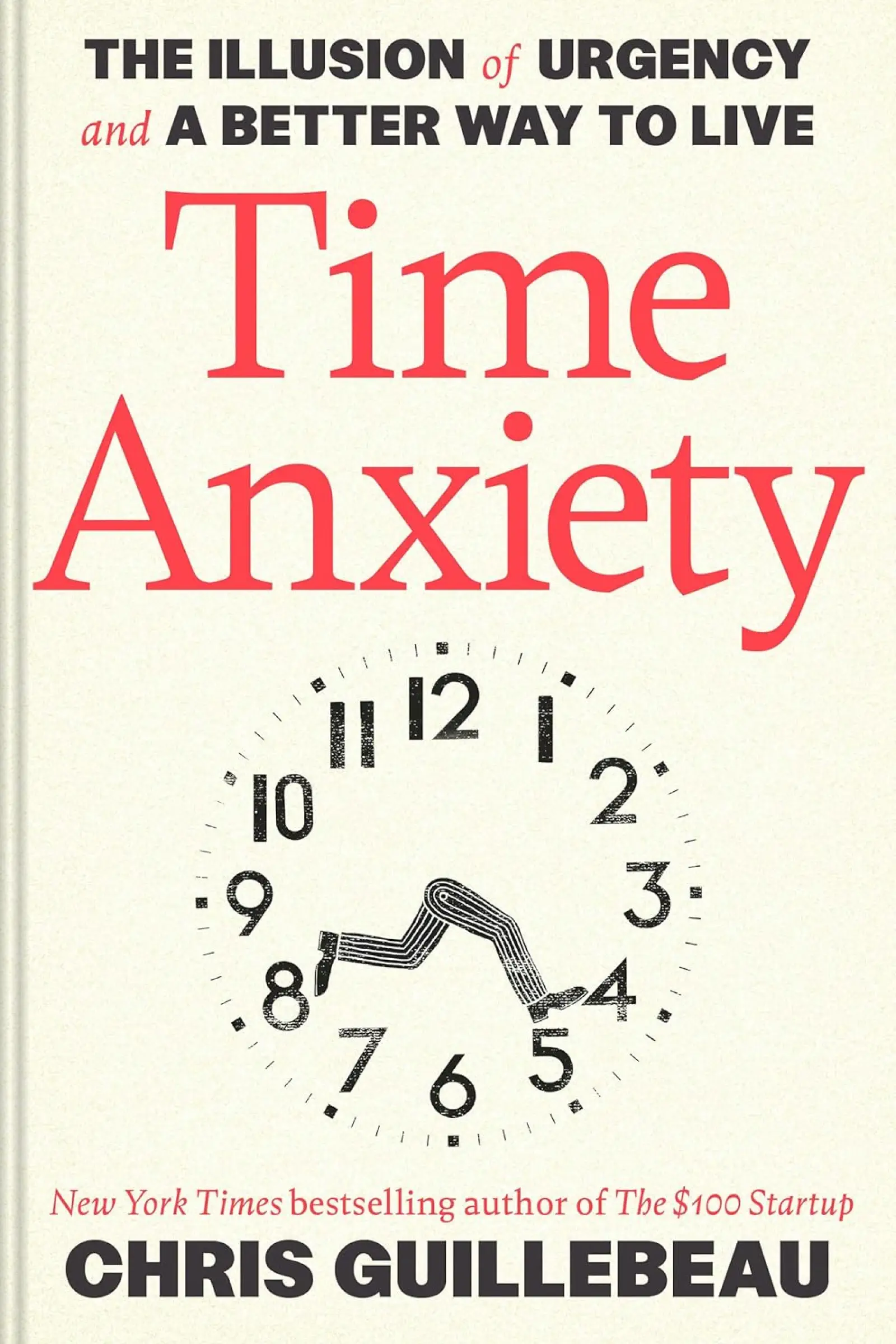
The Inbox of Shame is Chapter 6 of Time Anxiety: The Illusion of Urgency and a Better Way to Live. The full chapter includes more of Chris's personal reckoning with inbox avoidance, the research behind why responsiveness became conflated with character, and the broader framework for moving from guilt-driven communication toward something more sustainable.
Get the book →