Rules of Engagement
Set default decisions in advance so you don't have to re-decide them in the thick of a busy day.
Rules of Engagement
Decide once, in calm. Then let the rule answer for you when the day gets loud — so you don't waver, over-analyze, or second-guess.
When you perceive a time shortage, it gets even harder to decide between competing demands. How should you spend your day? What should you be doing right now? After you finish that task, what comes next? And how will you handle schedule conflicts, an overloaded plate, and the steady stream of people who have their own ideas about what you should do?
There's a seemingly unlimited number of ways you could spend your time — and a seemingly unlimited number of people ready to spend it for you. To contain the overwhelm, I lean on a concept called rules of engagement, or ROEs. These are guideposts that help you navigate decisions in the thick of the action.
Where the idea comes from
Borrowed from the battlefield
The concept comes from military practice, where commanders have to make quick, high-stakes decisions. They're supposed to respond with proportionality: if a unit is under fire from a single sniper, they can't level the whole village to remove the threat. They find a way to respond discriminately, targeting only the actual combatants.
Military ROEs also govern how prisoners are treated, which weapons can be used, and dozens of other stressful situations that come up in conflict. We don't need to stretch the metaphor too far — you already know life can feel like a battlefield, especially for busy people carrying a lot of responsibility. The point is this: a rule set in advance handles the request or opportunity the moment it arrives, so you're not negotiating with yourself every time.
Find your weak points
Where do you get derailed?
To get started, think about where you tend to get sidetracked, derailed, or ambushed by something that throws you off course. These questions help:
- What are the most common interruptions in your day?
- When do you feel most drained during your day or week?
- How often do you feel the need to escape your work environment?
- Do you need time to recharge after social interactions or difficult tasks?
- Do you feel guilty or conflicted about putting work ahead of your health, yourself, or your family?
- What routines or activities do you most often sacrifice for work?
Some interruptions are genuinely urgent and can't be prevented. Many others can. Once you spot a recurring one, establish a rule that governs how you'll respond. A simple starting point: turn off all phone notifications for a set window every day, unreachable except for a true emergency. (Most phones let you set exceptions, like a call from your child's school.)
If you eat dinner with your family most nights, make a rule that this always trumps other invitations. If that's not your situation, maybe your rule is an evening walk with a podcast. Whenever something else presents itself during that window, you already know what to do — turn it down — and you don't need to waver.
From real people
Six rules worth stealing
I've been surveying people on how they use ROEs in the real world. Adopt any of these as-is, modify them to fit, or let them spark ideas of your own.
Protecting creative work
“I schedule meetings for after lunch instead of the morning. Once in a while a time zone forces an exception, but my default is to keep as much of my morning free as possible.”
Limiting clients as a freelancer
“I work with a set number of clients at a time. If someone wants to hire me when I'm booked, I offer a waiting list. Overcommitting helped no one — and the waiting list gets people to take me more seriously.”
Guarding school pickup
“My boss and colleagues know I'm not available from 3 to 4 p.m. I tried a conference call from the carpool line once; it went long and I missed the whole ride with my son. After that, the hour became sacred.”
Calming public-speaking nerves
“Before any meeting where I might have to speak, I block at least fifteen minutes to do nothing — meditate, just be with myself. That calming session is often as good as an extra hour of prep.”
Cleaning without over-cleaning
“I used to get stuck cleaning forever and end the weekend cranky. Now I set a ninety-minute timer. When it stops, I stop too — no matter what still ‘needs’ doing. Anything beyond that is being picky.”
Training for a marathon
“I don't let myself watch my nightly shows until I finish each day's workout. Sometimes I really don't want to run — but because of the rule, I head out the door first. I'm always happy I did.”
As the marathon example shows, ROEs help you hold boundaries with others and keep promises to yourself. If you have a week of exams to be fresh for, decide in advance that you'll get to bed early — then when a friend asks you out late, you won't over-analyze. “Not tonight. Let's try again another time.” Another common one: no phone for an hour before bed, an hour after waking, or both.
A practice for this week
Learn to ask, “Can this wait?”
For most of us, only a few things each day are truly urgent. The trouble is that many people act as if every task carries the same as-soon-as-possible pressure — and living that way is exhausting. If everything is urgent, nothing is.
Separate real deadlines from imaginary ones
When you feel buried, write down everything on your plate. Then run each item past a single question — and watch how much of the urgency turns out to be self-imposed.
-
Name the pressure
Write down the things you feel pressured by right now. Get them out of your head and onto a list where you can see them.
Prompt: What am I treating as urgent that might not be?
-
Ask the question
For each item: what will happen if I don't do this right now? Look for a real consequence. If there isn't one, the urgency is self-imposed.
-
Sort into can-wait and can't-wait
Most tasks can be done now, scheduled for later, or postponed for a long time. Be honest about which bucket each one belongs in.
This can wait
- Organizing your email inbox
- Scheduling a nonurgent doctor's appointment
- Cleaning out the garage or a closet
- Replying to ordinary work email
- Prepping for a meeting that's days away
- Updating a project with a distant due date
This can't
- Picking up your child from school
- Paying a bill that's due today
- Attending a scheduled medical appointment
- Finishing a task with a fast-approaching deadline
- Handling an emergency at work or home
By naming what can wait, you remove the sense that everything is on fire at once. Free yourself from imaginary deadlines, and learn to resist the siren call of false urgency.
From the book
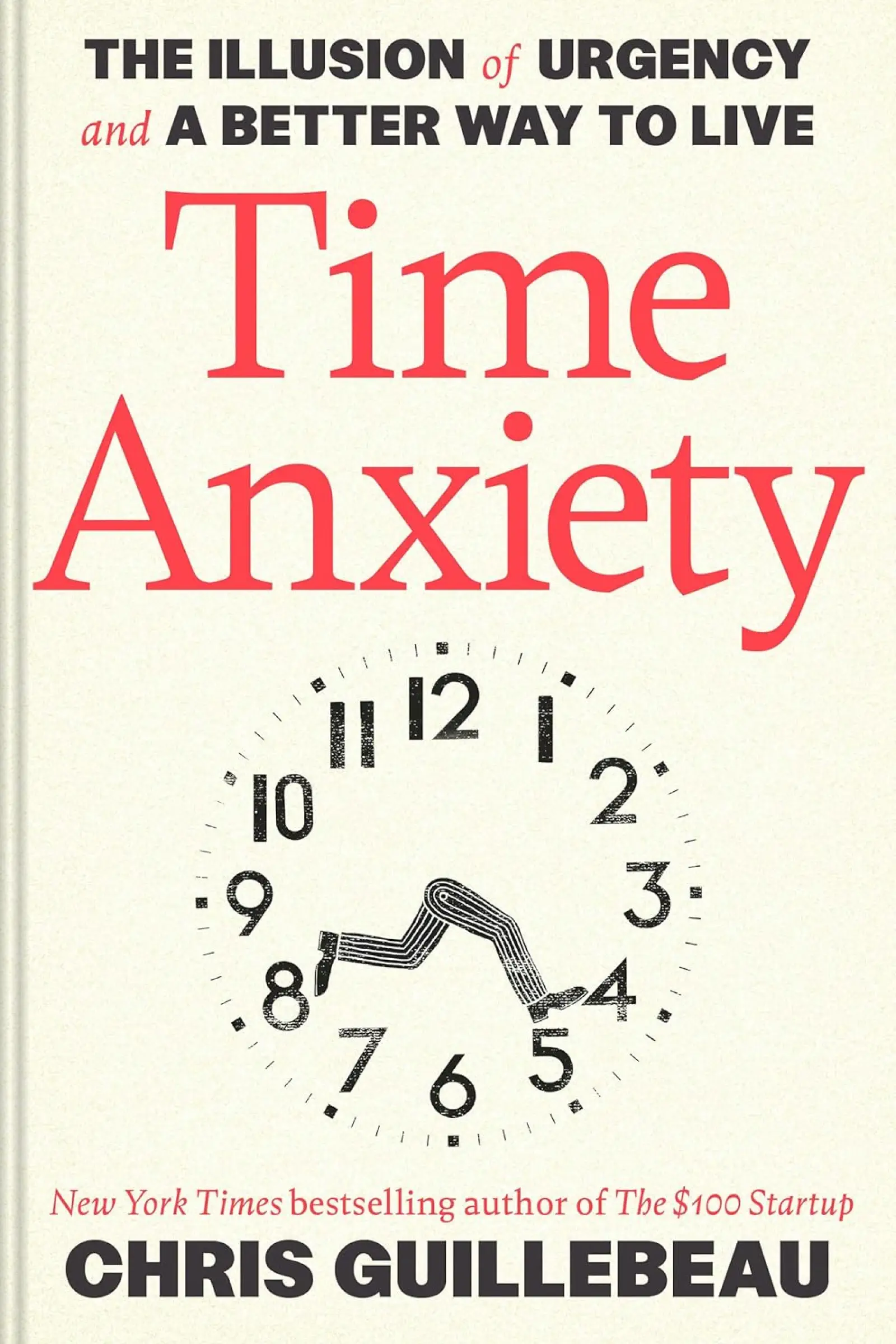
Rules of Engagement is Chapter 11 of Time Anxiety: The Illusion of Urgency and a Better Way to Live. The full chapter collects more reader-submitted ROEs and shows how default decisions fit into the broader work of rewriting the unspoken rules that govern your time.
Get the book →