Not Finishing Things
Give yourself permission to stop — and reclaim the time you'd have spent slogging on.
A false belief many of us absorbed somewhere along the way: everything you start needs to be finished.
In fact, many things can be abandoned. And you'll be much better off if you practice the habit of un-finishing.
I know people who commit to finishing every book they start, no matter what they think of it. To each their own — but personally I think this is a mistake. There are many, many great books in the world. Far more, in fact, than you could ever read, even if you narrowed the list down to your absolute favorites.
Why would you force yourself to keep slogging along with one that isn't working for you? Better to stop and move on to another you might enjoy much more.
The same logic applies to all forms of media and entertainment: TV, movies, games, and so on. There's a lot of good stuff out there — don't give too much time to anything that doesn't feel worth it anymore, even if you've already started it.
A key nuance
Un-finishing doesn't mean you hated it
Un-finishing doesn't only apply when you dislike something. Maybe you learned all you needed from that book in the first few chapters. Maybe that TV series was great for the first season, but it didn't need to go on forever. You enjoyed it until you stopped enjoying it — and that's the time to stop watching. Appreciate the memory of what it was for a while, instead of binge-watching it into the ground.
"Leave early. Excuse yourself from unproductive meetings. Be bold — by leaving, you're buying back time for something else."
By adopting this practice, you'll experience two benefits. First, you'll save an enormous amount of time. Even if you're a fast reader, it will take you an average of four hours to read a three-hundred-page book. Stop fifty pages in if it's not working for you, and you get back three hours of your life. The fifth season of the show that started so well but then kept humming along, rehashing the same plots with barely different characters? Another nine hours.
The second benefit is that walking away leads to feeling free. If you're used to always finishing what you've started, it might seem strange at first to un-finish — like you're skipping school or being naughty. You might expect to feel bad. But soon thereafter, you'll feel better. You'll be proud of yourself for trusting your intuition and moving on.
This is especially true for anything with a financial cost attached, like walking out of a movie you're seeing in a theater. Sure, you paid for it — but that doesn't matter if you don't like it. By leaving early, you're buying back time for yourself to spend on something else.
Beyond books and TV
Cutting things short in social situations
Adopt this principle wherever you can in life — anywhere you can move on from something that's no longer enjoyable or helpful. Leave boring parties early. Excuse yourself from unproductive meetings. (Note to parents: of course you want to be present for your children, but do you need to attend every one of their after-school and sporting activities? For some families, this attendance becomes a demanding part-time job.)
I understand that moving on is harder in social situations, but the more you can un-finish something, the more you'll experience both benefits: more time and more confidence in your ability to value what you enjoy.
One thing that can help: strategically avoid situations where it's hard to un-finish. A friend of mine went on an online dating streak a few months after a divorce. She wasn't entirely sure what she was looking for, so she wanted to meet a lot of people to find out.
She learned something early on: dinner and a movie — sometimes only dinner — is way too long for a first date. She started meeting her dates for an early evening walk, beginning with a to-go coffee or tea. Going for a walk made the process feel active instead of awkward, and it came with an intuitive timetable of an hour or less.
If she and the other person were enjoying the vibe, they could always extend into dinner. If not, the date could logically conclude after the walk, she could say goodnight, and move on with her life. She didn't feel trapped, and she didn't feel rude for concluding their time together.
Do yourself a great favor and learn to un-finish. You'll save time and build self-confidence. You might even find that un-finishing becomes one of your favorite habits.
A practice for this week
Walk away now
The world is filled with experiences worth your time. Abandon the ones that no longer are, and explore something different.
The Un-Finishing Practice
Pick one thing you're slogging through out of obligation and let it go. Four steps to make it real.
-
Make the list
Write down the media, activities, and engagements you're currently doing out of habit or obligation — books, shows, recurring commitments, hobbies you've outgrown. Get it out of your head.
Prompt: What am I finishing only because I started it?
-
Pick one to abandon
Choose one item from the list and give yourself official permission to stop. No guilt, no "I'll finish it eventually." It's done — you're un-finishing it.
Prompt: If I knew I'd never finish this, would I feel relieved?
-
Name what you got from it
Before you close the book or cancel the commitment, spend one minute acknowledging what you did get from it — a few good chapters, a solid first season, an experience that taught you something. That's enough.
Prompt: What did I already learn or enjoy? That counts.
-
Reclaim the time
Redirect the hours you've freed toward something you'll enjoy. Let go of the must-finish belief and "buy back" that time for something better.
Prompt: What would I do with this time if I weren't slogging through that?
From the book
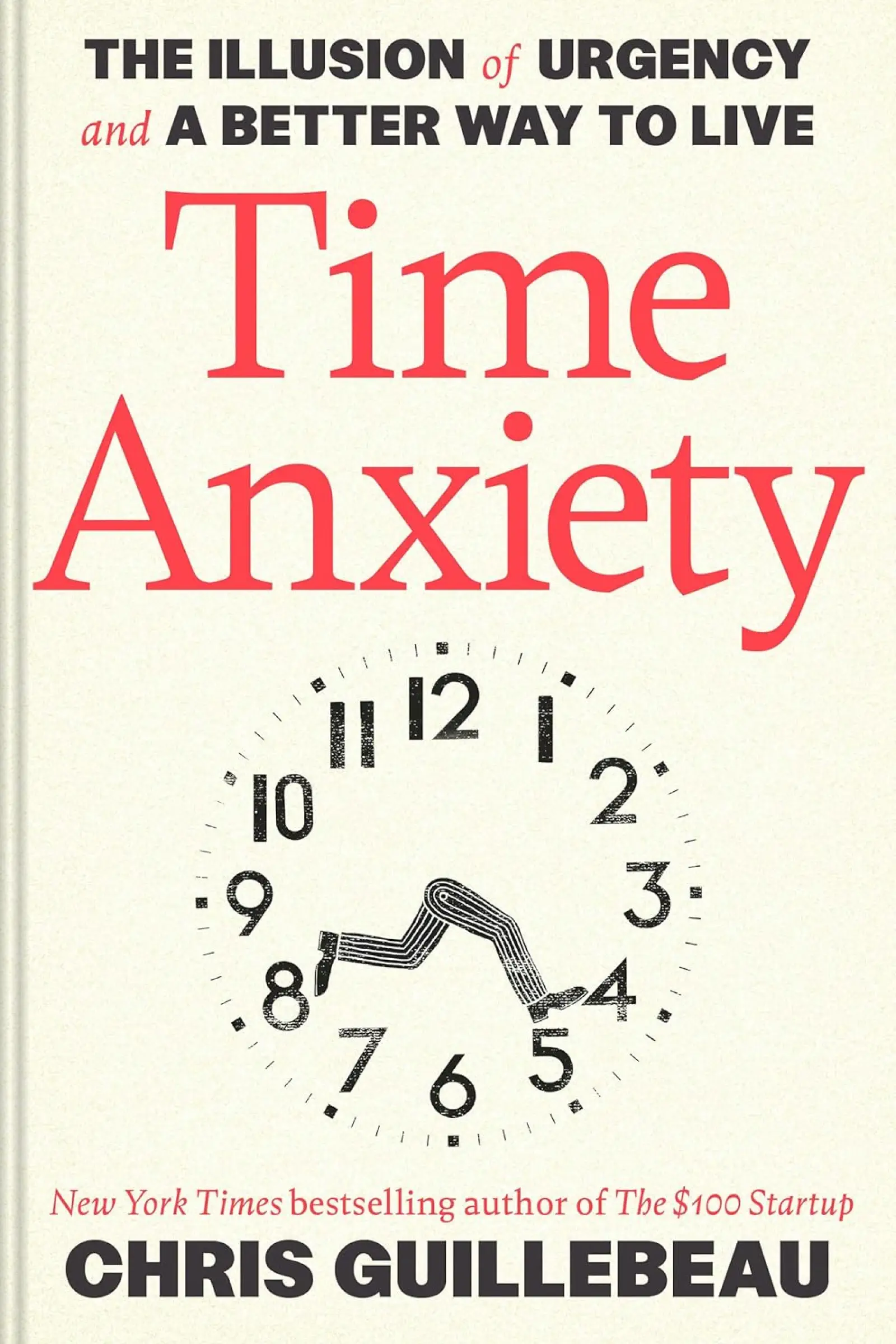
Not Finishing Things is Chapter 14 of Time Anxiety: The Illusion of Urgency and a Better Way to Live. The full chapter extends the un-finishing principle into social situations, work obligations, and anywhere you've been trapping yourself out of habit instead of intention.
Get the book →