Pay Yourself First
Stop saving your favorite things for last. Put your own time at the front of the line.
Your Time Budget
The old order vs. the flip — apply the savings rule to your time
In the world of personal finance, there's a model called pay yourself first. It means automatically setting aside money for savings and retirement the moment you get paid — before bills, before spending, before anything else. If you don't do this, most people never save, because there's always something else to spend money on first.
The same pattern plays out with time. Most of us treat leisure as something we get to once all the work is done. Fun waits. Hobbies wait. The concert, the trip, the afternoon off — they all wait for a clearing that never arrives.
What if we flipped that structure and paid ourselves first?
An honest admission
Leisure as a reward for work
For most of my adult life, I connected leisure with reward. Finish something hard, earn something fun. It's a decent productivity hack — you tell yourself that once you write a thousand words, you can play a video game for half an hour. Once you run enough miles, you can eat pancakes.
"After twenty-five years of working for myself, I had to learn it was okay to do something that had no connection to output or a work product."
I started playing games in the middle of the afternoon. It felt strange — like I was sneaking away, even though I work from home and set my own schedule. There are no work police. Nobody was going to bang on my door. But that's what it felt like: strange, unfamiliar, uncomfortable.
The guilt was real. It was also imaginary. Nobody else cared how I spent my afternoon. That realization took longer than I'd like to admit.
The shift
Why your best time shouldn't always go to someone else
The pay-yourself-first principle for time goes like this: whenever you can, schedule your responsibilities around your other interests, instead of the other way around. Plan your days more around what you like to do and less around your obligations.
This isn't about abandoning your commitments. You still have work to do. The point is to stop treating enjoyment as an afterthought and start treating it as a line item — one that gets funded first, not last.
There are two kinds of leisure: the spontaneous kind (sitting down with a game, taking a walk, reading on a whim) and the planned kind (concerts, trips, dinners that need a reservation). Both matter. But planned leisure is the one most people skip, because it requires a decision in advance. And making decisions in advance is exactly what the pay-yourself-first habit is built around.
The practical move
Buy the ticket before you talk yourself out of it
For two years running I thought about booking a sailing tour of Croatia. Each year, when I finally went to check availability, the tour was sold out. The third year I did something bold: I booked it months in advance. It worked.
On the home front, I started buying concert tickets and event tickets weeks or even months ahead. Every time I went to buy one, I'd think: But I might not be able to make it. I'd remind myself of an old adage about booking plane tickets — "the confirm button never disappoints" — and click through.
Once in a while I booked something and couldn't make it. A wasted ticket, sure — but that's not the end of the world. The occasional missed event was more than offset by all the ones that worked out. More than that: having something on the calendar gave me something to look forward to. Anticipation is its own reward.
The second thing I noticed — almost every time I went to an event, I was glad I did. Even when the introvert in me had spent the week second-guessing whether it would be "worth it," the answer was almost always yes. I liked that I was trying new things instead of working more.
You don't owe anyone an explanation
Stop feeling like you have to justify it
When I started prioritizing my hobbies, I felt I had to explain myself — even though nobody asked. The weird guilt over playing video games in the afternoon was real. It faded with practice, but it required a genuine adjustment in perspective.
Some people describe a hobby or a treat as their "monthly indulgence." What if it's part of your regular routine? It's your life. You get to choose how you spend it. You don't owe anyone a justification for taking a neighborhood tour instead of editing a document, or for buying a concert ticket when you could have worked through the evening instead.
Time anxiety often comes from feeling like we're not doing enough. Paradoxically, doing more of what we enjoy can be the cure.
A practice for this week
The two-adventure weekend
You schedule work meetings and doctor's appointments. Do the same for things you enjoy — and you'll do more of them.
Plan one big activity and one mini-adventure
Pick an upcoming weekend. Set a goal: two adventures, one planned and one more spontaneous. An adventure is any experience that's a little different from your usual routine — a class, a show, a new place, a long walk somewhere unfamiliar.
-
Name the thing you keep deferring
Write down one activity, event, or experience you've been putting off until "everything else is done." Be specific.
Prompt: What do I keep telling myself I'll do once things settle down?
-
Schedule it first — this week
Put it on your calendar before adding anything else. Give it a specific time slot, not a vague intention. Treat it the way you'd treat a dentist appointment you can't reschedule.
-
Make it real
Buy the ticket, make the reservation, text the friend. The confirm button never disappoints. An event on the calendar with nothing to click through to is still easy to cancel; one you've paid for is not.
Bonus: enlist a companion for at least one of the two adventures.
-
Notice you don't owe anyone a justification
When the guilt shows up — and it might — let it pass without acting on it. Nobody is grading how you spent your Saturday. You paid yourself first. That's the whole point.
From the book
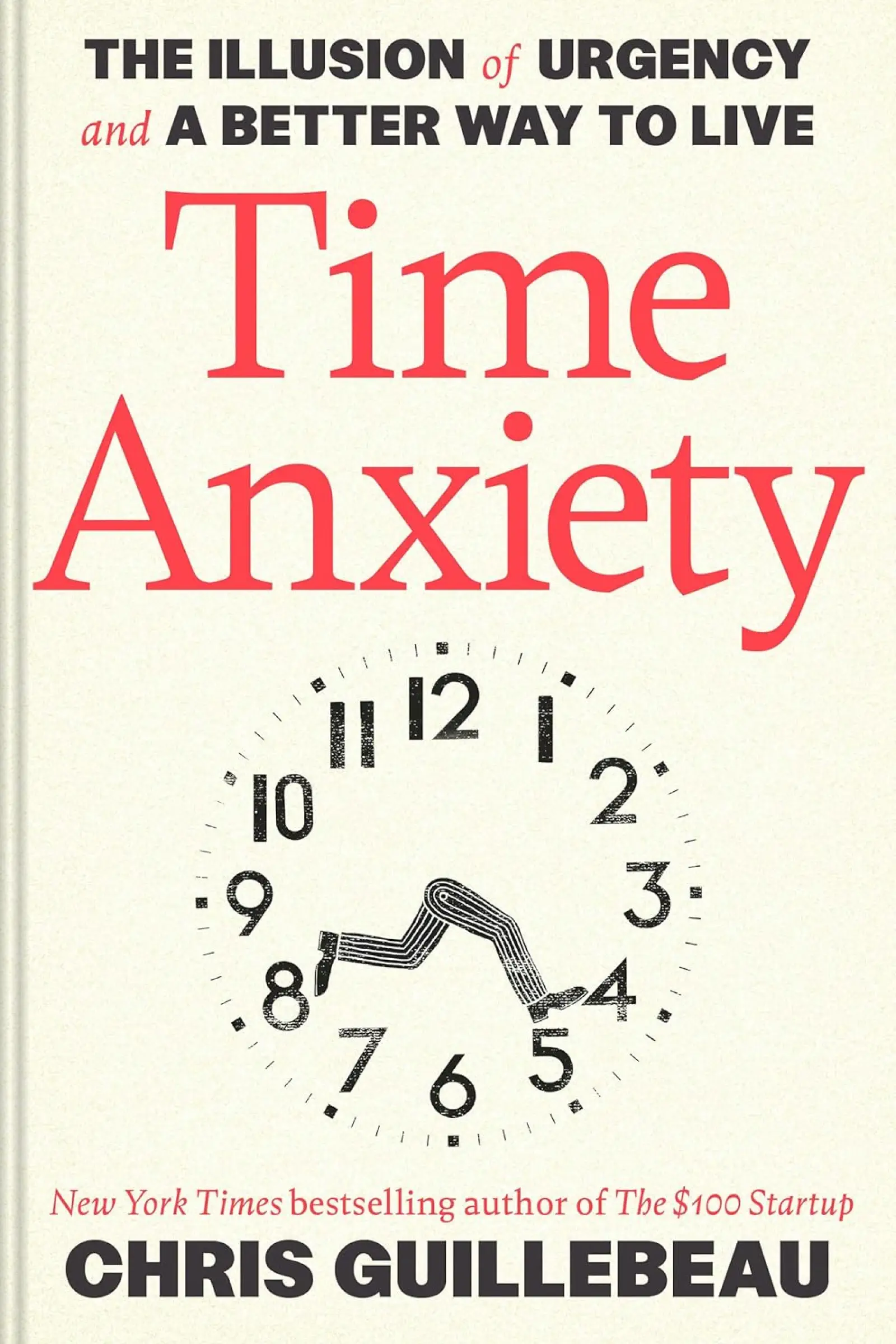
Pay Yourself First is Chapter 25 of Time Anxiety: The Illusion of Urgency and a Better Way to Live. The full chapter goes deeper on planning vs. spontaneity, what to do when you're a compulsive non-planner (guilty), and how to build the two-adventure habit into any kind of schedule.
Get the book →